
Table of Contents

Luis Díaz Sale Explained as Arne Slot Outlines Liverpool’s Long-Term Strategy
Liverpool head coach Arne Slot has offered fresh insight into the club’s decision to sell Luis Díaz to Bayern Munich, framing the high-profile departure as part of a broader commitment to sustainability, squad planning, and long-term competitiveness.
Speaking after another demanding period in the Premier League season, Slot acknowledged the impact of losing a player of Díaz’s profile, while stressing that the decision reflected Liverpool’s long-standing recruitment and financial model.
Díaz completed a £65.5 million move to Bayern Munich last summer after failing to agree a new contract at Anfield, bringing an end to his three-year spell on Merseyside.
With Liverpool battling for Champions League qualification and navigating injuries across the squad, the Colombian’s absence has once again come under scrutiny.

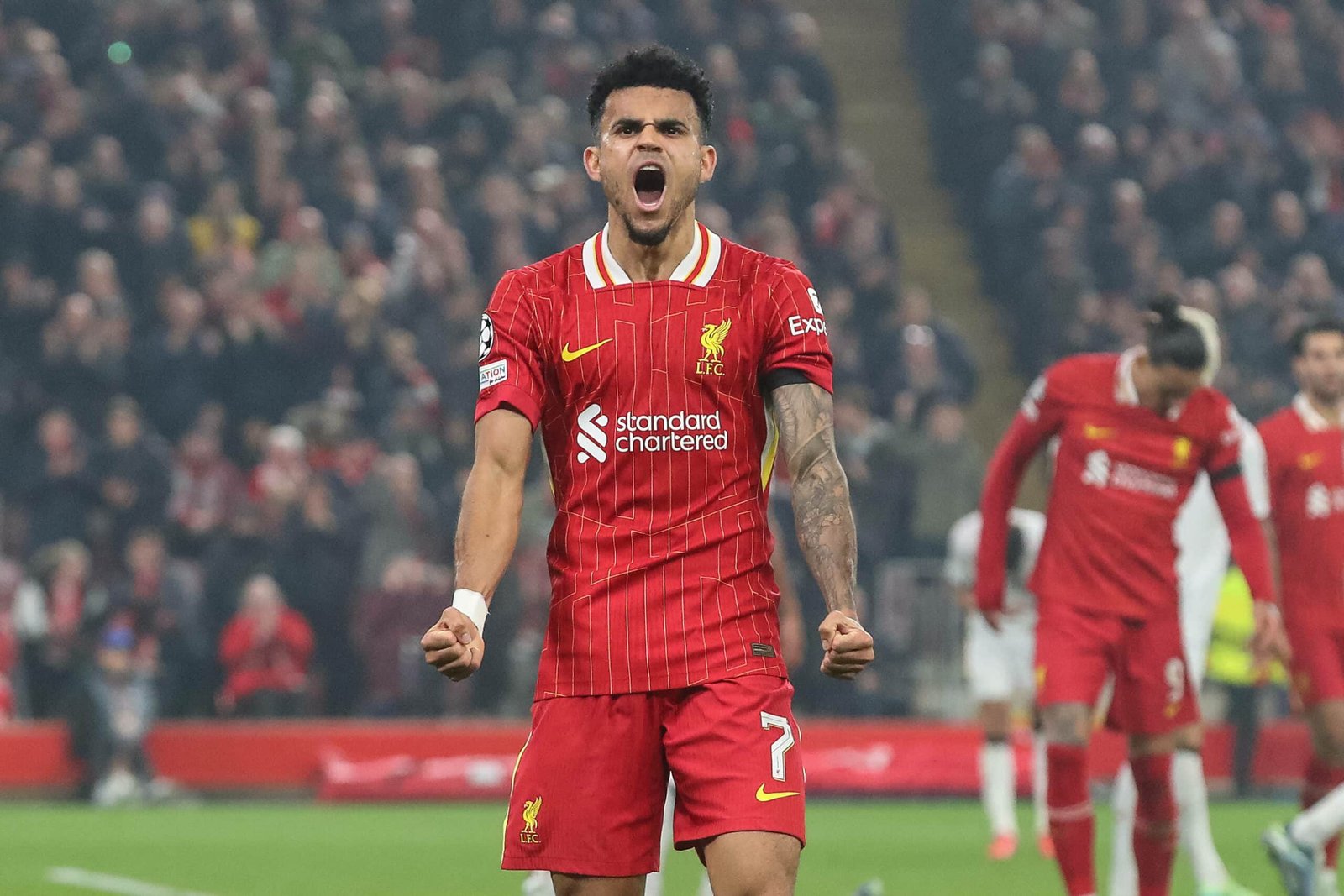
Photo: IMAGO
Slot Explains Díaz Exit and Financial Strategy
Slot was clear that Díaz’s departure was not driven by short-term considerations, but by the club’s broader philosophy.
“Luis Díaz is another example of how this club is run,” Slot said. “If this club gets for a 28-year-old an offer like that, then, because it is built on sustainability, it chooses to sell a player. We are an exception in the Premier League, especially at the top of the Premier League for that.”
Those comments underline Liverpool’s continued emphasis on balancing elite performance with financial discipline, even during periods of heavy investment.
Last summer’s spending exceeded £450 million as the club reshaped the squad, yet the sale of Díaz remains central to maintaining flexibility in future windows.
Slot’s remarks suggest that, despite pressure for immediate success, Liverpool’s hierarchy remains committed to a model that prioritises long-term stability over short-term risk.
Impact on Liverpool’s Attack and Squad Balance
Díaz’s exit has inevitably altered Liverpool’s attacking options. During his time at the club, he provided pace, directness, and defensive work-rate from wide areas, offering a different profile to other forwards in the squad.
Slot acknowledged that his absence has been felt, particularly during a campaign disrupted by injuries and suspensions.
“Forwards cannot be rotated in the way we would like,” Slot explained, referencing the challenges faced in managing workloads. “It is maybe more fair to say that if Alex had been fit would we have spoken about this as well?”
The head coach also highlighted how Díaz’s ability to stretch defences and operate from the flank offered tactical variety that has been difficult to replace.
With Mohamed Salah and Cody Gakpo preferring to cut inside, Liverpool have sometimes lacked a natural wide outlet, making opposition defensive structures harder to break down.
Bayern Munich Move and Díaz’s Rising Influence
Since arriving in Germany, Díaz has quickly established himself as a key figure for Bayern Munich, registering strong goal and assist numbers in domestic and European competition.
His form has reinforced Liverpool’s view that they sold a player at peak market value, rather than allowing his contract situation to weaken their negotiating position.
For Díaz, the move represented an opportunity to compete for major honours in a different environment, while securing improved personal terms after stalled negotiations at Anfield.
Sources close to the deal indicated that Díaz had pushed for clarity over his future before committing to a long-term extension, and Bayern’s offer proved decisive.
From Liverpool’s perspective, the timing of the sale allowed them to reinvest and rebalance the squad without compromising financial sustainability.
Long-Term Planning Under Slot’s Leadership
Slot has repeatedly emphasised that his role extends beyond short-term results, focusing instead on building a competitive structure capable of adapting to changing circumstances.
“That is how this club works,” he added. “It is built on sustainability.”
His approach reflects the club’s response to previous setbacks, including periods without Champions League football, when structural rebuilding laid foundations for later success.
Despite recent struggles, including late goals conceded and inconsistent league form, Slot remains confident that Liverpool’s underlying direction will be considered when assessing progress.
The Díaz transfer fits into that wider context: a calculated decision aligned with long-term planning rather than reactive management.
With Champions League qualification still in the balance and recruitment strategies under close review, the handling of Díaz’s exit offers insight into how Liverpool intend to operate under Slot’s leadership.
As the season enters its decisive phase, the club’s ability to combine financial discipline with elite performance will remain central to their ambitions.





